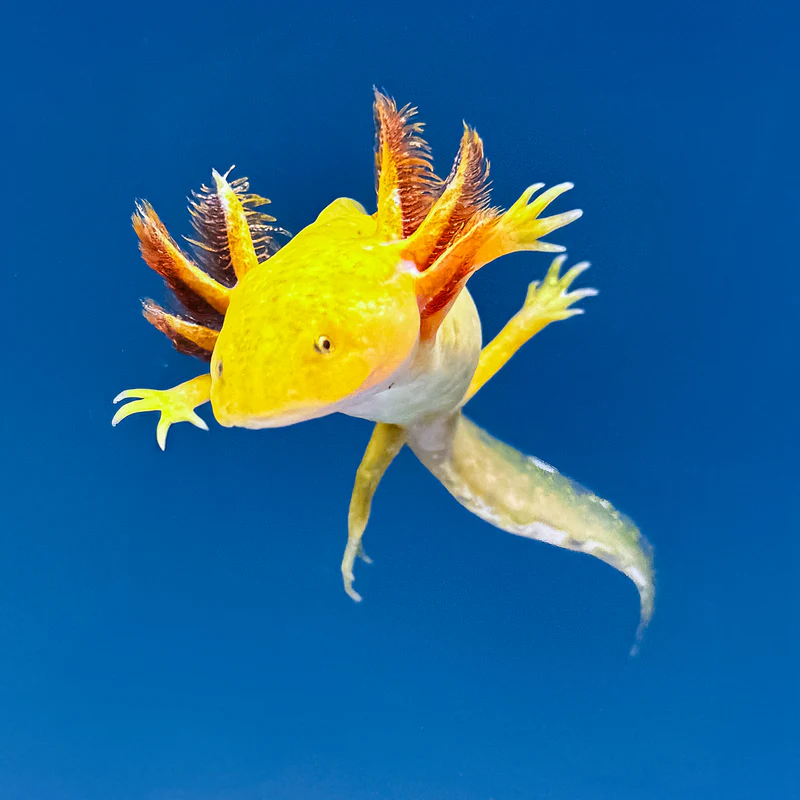
Hypomelanistic Axolotl
$399.99 – $474.99Price range: $399.99 through $474.99
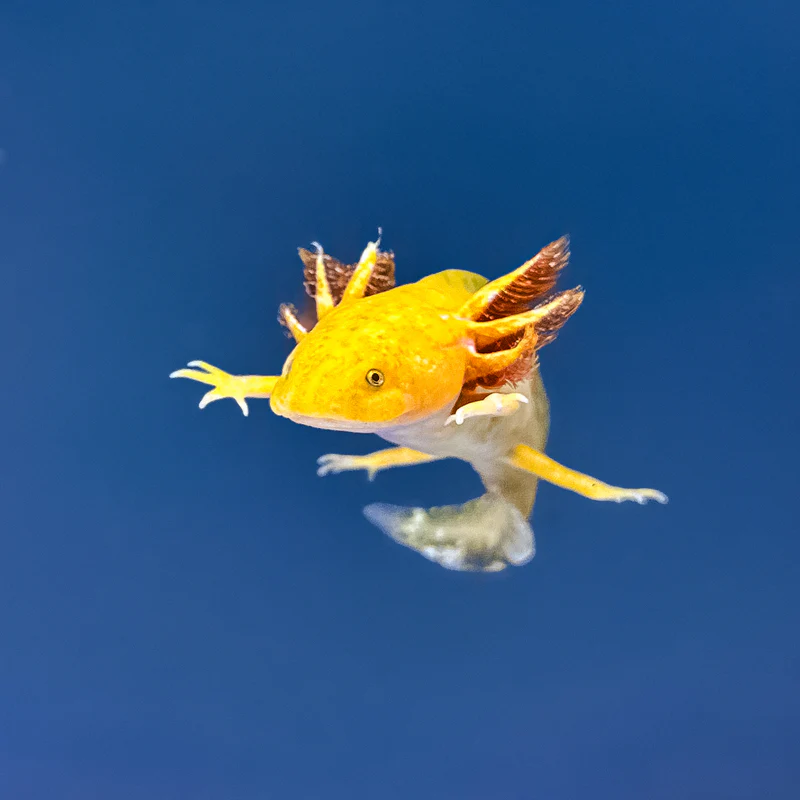
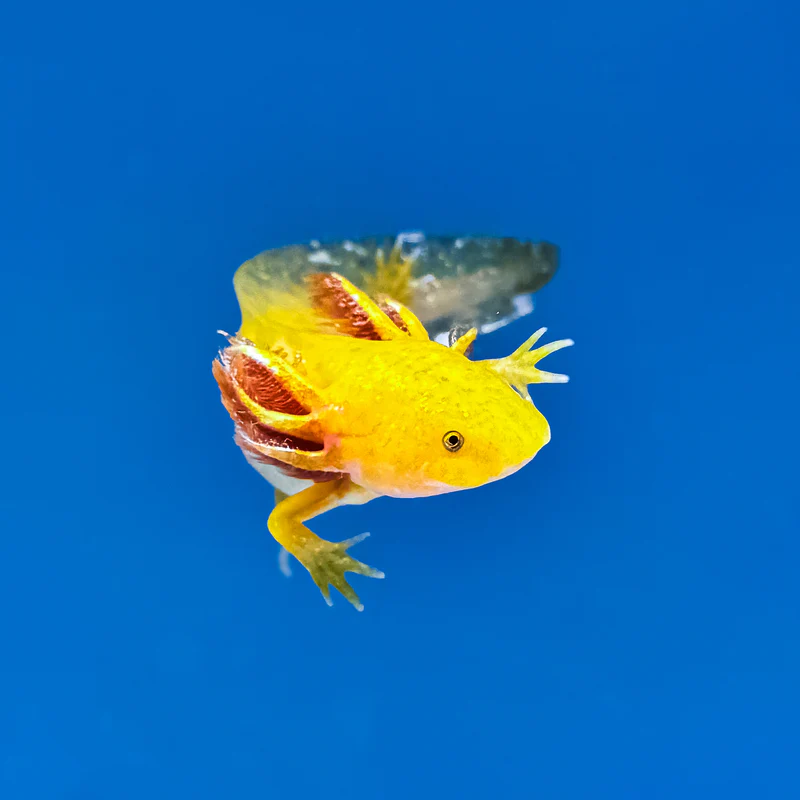
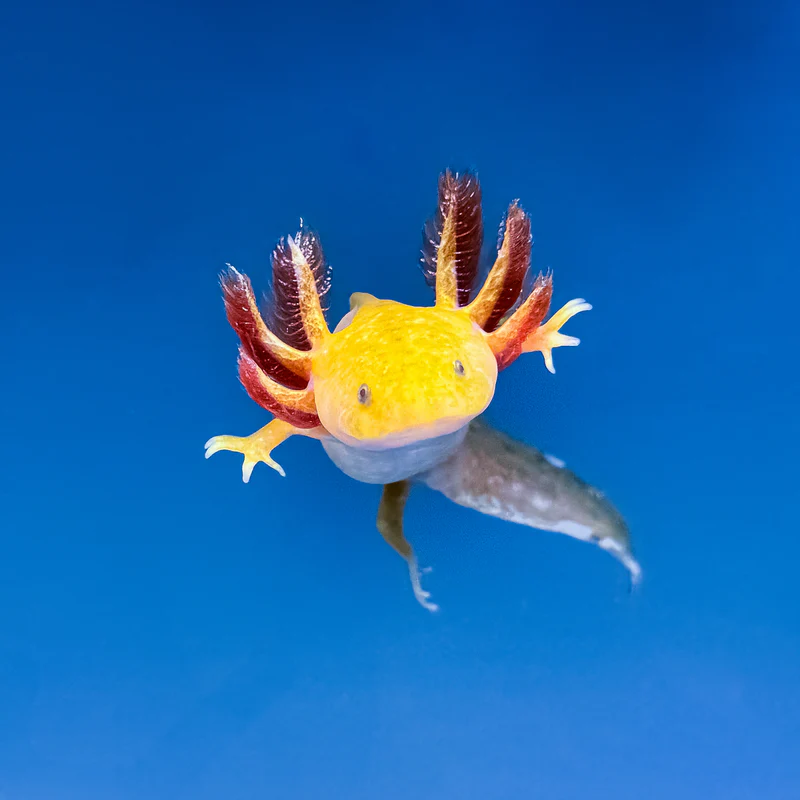
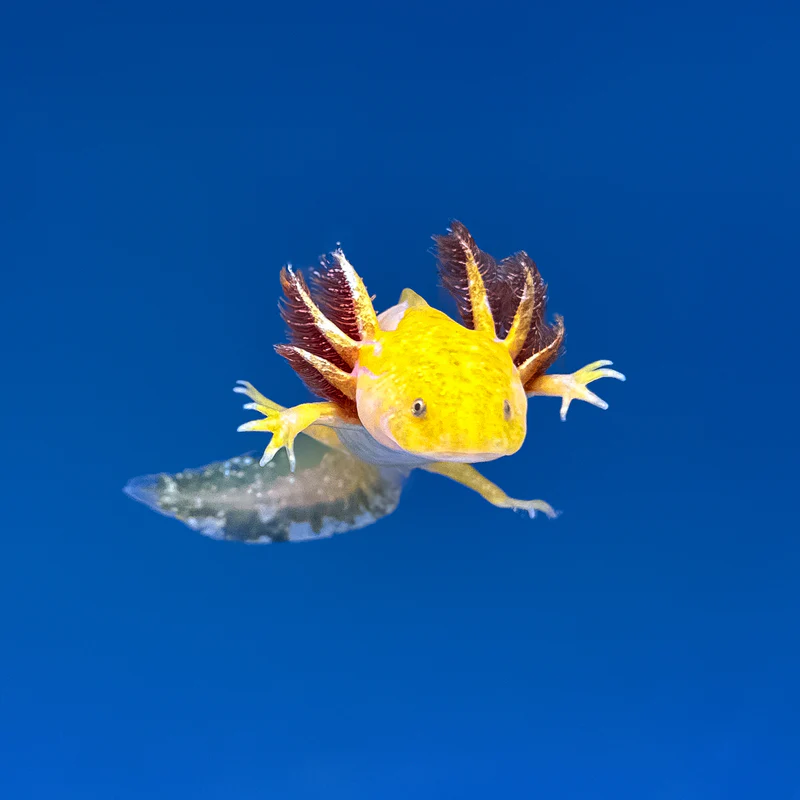
The Hypomelanistic Axolotl is one of the most rare and captivating aquatic pets, perfect for those seeking a unique new companion. Its vibrant, golden-yellow body paired with striking reddish-orange, feathery gills creates a stunning visual contrast that’s sure to stand out in any aquarium setup.
Hypomelanistic Axolotl
The Hypomelanistic Axolotl is one of the most rare and captivating aquatic pets, perfect for those seeking a unique new companion. Its vibrant, golden-yellow body paired with striking reddish-orange, feathery gills creates a stunning visual contrast that’s sure to stand out in any aquarium setup.
This morph retains some melanin, giving it a soft, sun-kissed glow that sets it apart from albino varieties. Its wide head, curious expression, and gentle nature make it a fascinating addition for aquarists of all levels.
Known for their incredible regenerative abilities, axolotls can regrow limbs and other body parts, combining natural beauty with scientific wonder. With proper care—including cool, clean water and a protein-rich diet—this axolotl will thrive and become a long-lasting, interactive pet.
Ideal for aquarists who value both aesthetics and unique species, the Hypomelanistic Axolotl is a stunning choice that brings a touch of the extraordinary to your aquatic collection.
Overview
The Hypomelanistic Axolotl is a popular color morph of the axolotl (Ambystoma mexicanum), prized for its striking pale pinkish or golden appearance. Unlike wild-type axolotls, which are dark with speckled pigmentation, hypomelanistic axolotls have a reduced level of melanin, giving them a lighter, almost translucent look. Their eyes are often red or pink due to the low pigmentation.
Physical Appearance
-
Color: Pale pink, cream, or golden with a slight sheen.
-
Eyes: Red or pink, reflecting the reduced melanin.
-
Skin: Smooth and slightly translucent, allowing faint visibility of veins and internal organs.
-
Size: Typically grows to 9–12 inches (23–30 cm) in length when fully mature.
-
Gills: Bright pink or reddish, more prominent than darker morphs due to contrast with skin.
Behavior
-
Temperament: Docile, calm, and easy to handle (though handling should be minimal to protect their skin).
-
Activity: Mostly nocturnal or crepuscular, more active during dim lighting.
-
Feeding Habits: Carnivorous; enjoys live or frozen foods such as bloodworms, blackworms, brine shrimp, and specially formulated axolotl pellets.
Tank Requirements
-
Tank Size: Minimum of 20 gallons for one adult axolotl; larger tanks recommended for multiple.
-
Water Temperature: 16–20°C (60–68°F); sensitive to high temperatures.
-
Water Quality: Clean, dechlorinated water with stable pH around 6.5–8.0; regular water changes are crucial.
-
Substrate: Fine sand or bare-bottom recommended; gravel is unsafe as it can be ingested.
-
Decor: Hiding spots, caves, and gentle plants provide enrichment without restricting swimming space.
Care Tips
-
Diet: Feed 2–3 times per week for adults; more frequently for juveniles. Avoid overfeeding to prevent obesity.
-
Health Monitoring: Watch for fungal infections (white cottony patches) and stress signs like floating or lethargy.
-
Handling: Minimize handling; their skin is sensitive and prone to injury.
-
Tank Mates: Best kept alone or with other hypomelanistic axolotls of similar size; avoid aggressive or fast-moving fish.
Breeding
-
Sexual Maturity: 12–18 months.
-
Reproduction: Like all axolotls, hypomelanistics breed in freshwater with proper stimulation of temperature and photoperiod. Eggs are transparent and small, adhering to plants or surfaces.
-
Offspring: Larvae are pale at birth and may develop darker spots depending on genetics.
Popularity
Hypomelanistic axolotls are highly sought after by enthusiasts for their unique coloration, ease of care, and photogenic appearance, making them a favorite in aquariums and breeding programs.
| Size |
Juvenile(3-5 in.) ,Sub-Adult (5-8 in.) ,Adult Male (8+ in.) ,Adult Female (8+ in.) |
|---|
Before Purchasing Your First Axolotl...
Are you ready to purchase an axolotl? Before you do, there are a few super important things you should do first:
Purchase a properly-sized tank and all of the necessary equipment for your axolotl. To learn more about this, read The Best Axolotl Care Guide in the World
Make sure you have established a healthy Nitrogen Cycle in your tank. To learn more about the nitrogen cycle, read our guide that explains How to Cycle an Aquarium.
Read and understand the Western Aquatics Axolotls Shipping / DOA Policy.
If you are a first-time axolotl owner in North Florida, we highly recommend coming by our store location to meet with our axolotl experts and learn all about what you need to do to prepare the perfect new home for your axolotl. If you aren't in North Florida, be sure you read both of the guides above, then visit our Blog to get more information about raising these amazing aquatic pets.
Related products
Axanthic Axolotl
Dirty Leucistic Axolotl
Ember (Female)
Gambit (Male)
Hypomelanistic Melanoid Axolotl
Light Hypomelanistic Melanoid Axolotl
Light Hypomelanistic Melanoid Axolotl: A Rare and Stunning Morph Explained
The Light Hypomelanistic Melanoid Axolotl is one of the most unique and visually striking axolotl morphs. Known for its subtle coloration, smooth texture, and captivating appearance, this morph is highly sought after by axolotl enthusiasts and breeders alike.
What Is a Light Hypomelanistic Melanoid Axolotl?
A Light Hypomelanistic Melanoid Axolotl combines two rare genetic traits — hypomelanism and melanoidism.
-
Hypomelanistic means the axolotl has reduced melanin, resulting in a lighter or faded coloration compared to normal melanoids.
-
Melanoid axolotls, on the other hand, lack iridophores (the shiny pigment cells), giving them a smooth, matte appearance.
When these traits are combined, the result is a soft gray or smoky brown axolotl with an elegant, muted tone and dark eyes — a perfect blend of mystery and beauty.
Appearance and Coloration
The Light Hypomelanistic Melanoid axolotl typically features:
-
Light gray or beige skin with subtle undertones of lavender or brown
-
Dark, non-shiny eyes due to the melanoid gene
-
Minimal to no iridescence, giving the body a velvety look
-
Occasionally, a faint golden or cream hue under strong lighting
This morph is especially admired for its balanced contrast — not too dark, not too pale — making it a showpiece in any aquarium.
Genetics and Rarity
Both melanoid and hypomelanistic genes are recessive, meaning they must be inherited from both parents for the morph to appear. Because of this, Light Hypomelanistic Melanoids are relatively rare and often bred intentionally by experienced axolotl breeders.
Breeding this morph requires:
-
Careful pairing of genetically compatible axolotls
-
Knowledge of lineage to prevent inbreeding
-
Patience, as not every clutch will produce this specific color variation
Care and Habitat Needs
Despite their rare genetics, Light Hypomelanistic Melanoid Axolotls require the same care as other axolotl morphs. To keep them healthy and vibrant:
-
Maintain water temperature between 60–64°F (16–18°C)
-
Keep pH levels between 6.5 and 8.0
-
Provide clean, dechlorinated water and perform regular water changes
-
Offer a balanced diet of earthworms, pellets, or bloodworms
-
Avoid strong lighting, as axolotls are naturally light-sensitive
Personality and Behavior
Like other axolotls, the Light Hypomelanistic Melanoid is calm, curious, and non-aggressive. They enjoy exploring, resting on smooth surfaces, and occasionally interacting with their surroundings. Their gentle demeanor makes them ideal for both beginner and experienced keepers.
Why They’re Popular
Collectors love this morph for its rare genetics and subtle elegance. Its soft, smoky appearance contrasts beautifully with brighter morphs like Leucistic or Golden Albino axolotls. Because of its scarcity, Light Hypomelanistic Melanoids are often seen as a premium or showcase morph among axolotl enthusiasts.
Final Thoughts
The Light Hypomelanistic Melanoid Axolotl is a fascinating and graceful morph that highlights the incredible genetic diversity of these beloved amphibians. Whether you’re a dedicated breeder or a passionate hobbyist, this morph’s rarity and understated beauty make it a prized addition to any collection.

Reviews
There are no reviews yet.