
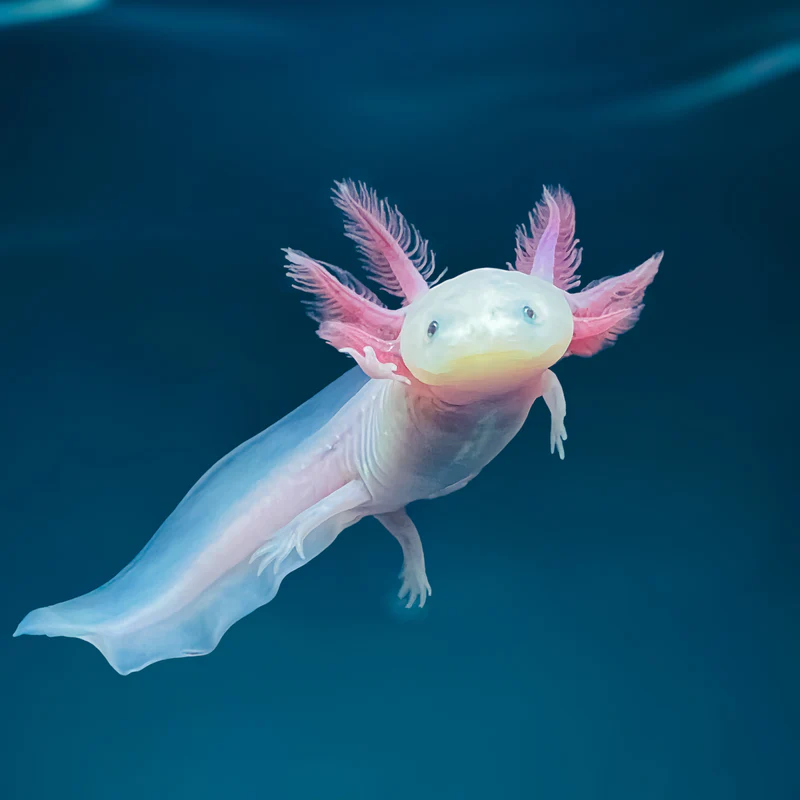


Leucistic Axolotl
Price range: $124.99 through $224.99
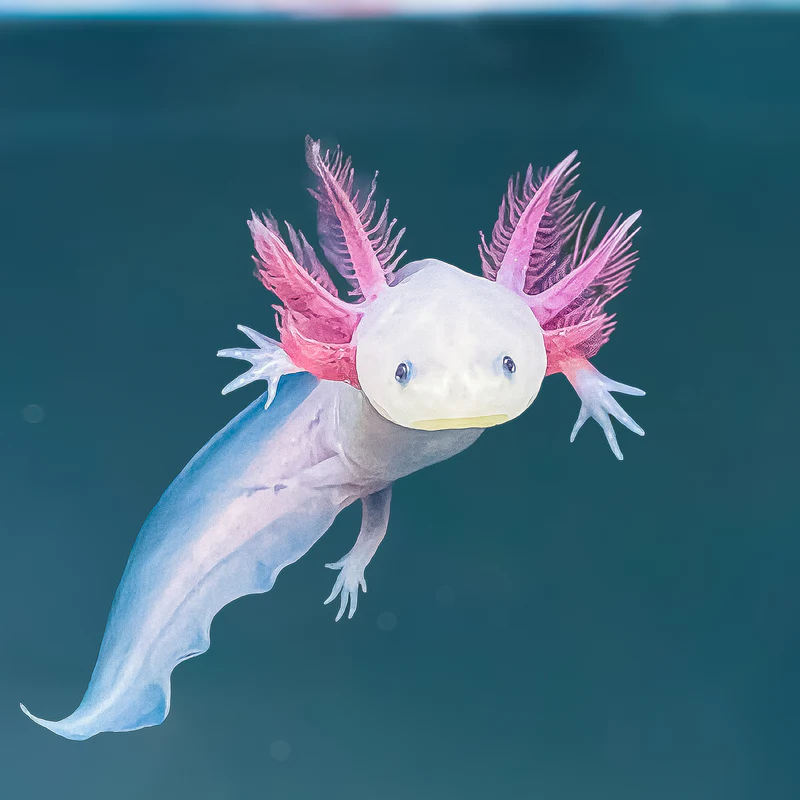
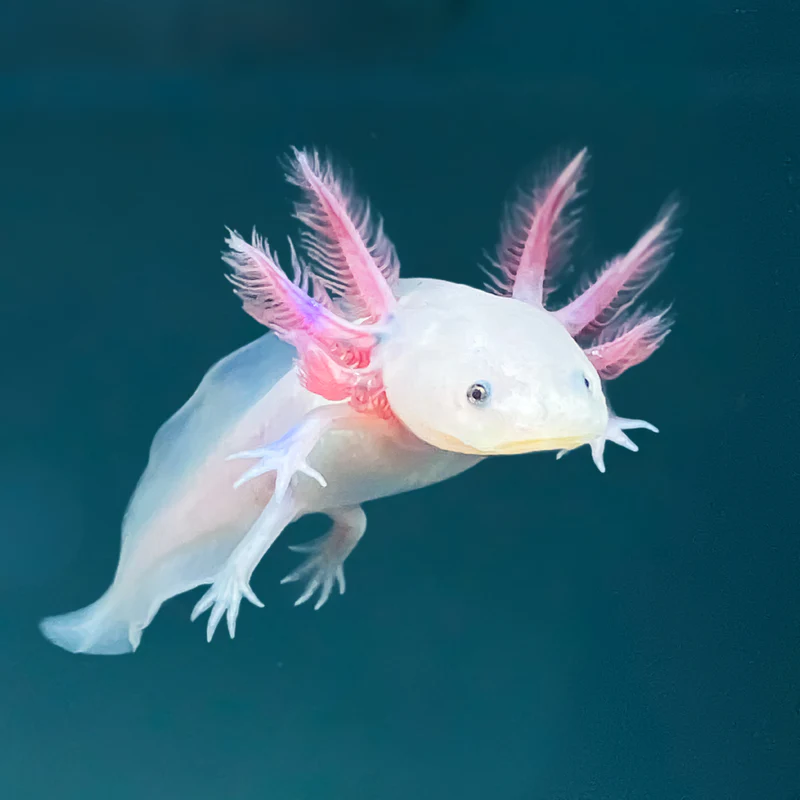
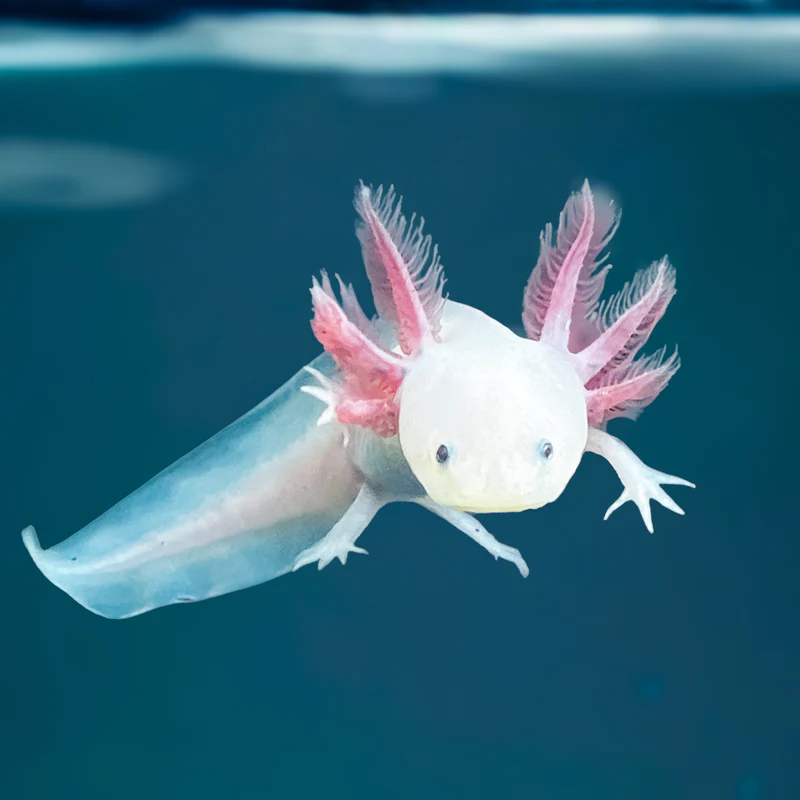
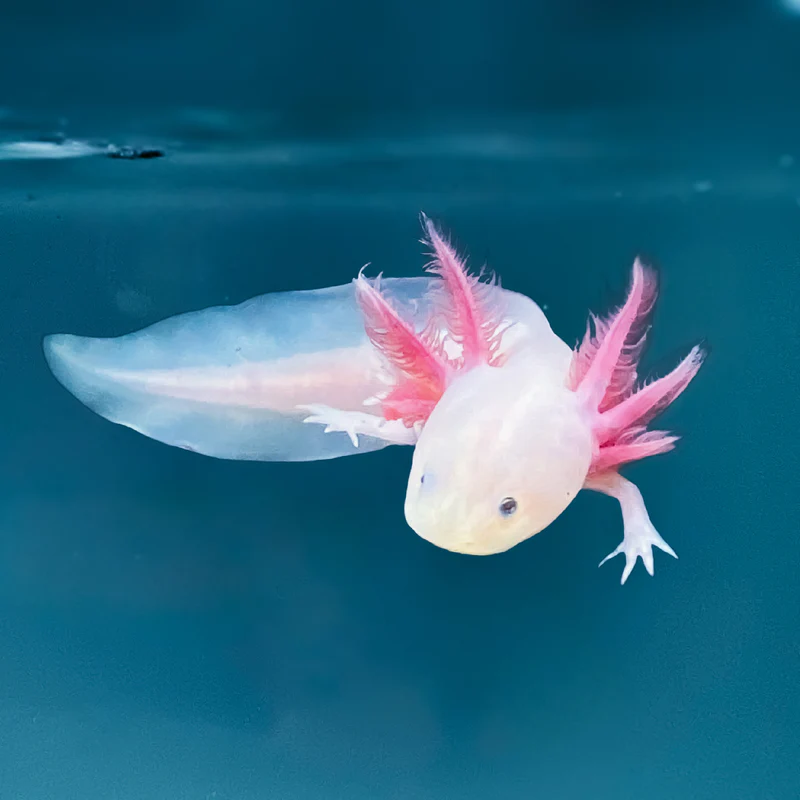
Leucistic axolotls have a pale white color and bright pink or red gills. Unlike Albinos, these axolotls have dark-colored eyes and sometimes, freckles on their heads and bodies.
Leucistic axolotls have a pale white color and bright pink or red gills. Unlike Albinos, these axolotls have dark-colored eyes and sometimes, freckles on their heads and bodies.
Leucistic Axolotls are rare, pink-white amphibians loved for their adorable faces and gentle nature. Learn how to care for these unique aquatic pets.
1. Appearance
-
Color: Leucistic axolotls are known for their pale, almost white or pinkish skin, with visible pink or red gills.
-
Eyes: Unlike albino axolotls, they usually have dark, beady eyes rather than red or pink.
-
Size: Adult leucistic axolotls typically reach 9–12 inches (23–30 cm) in length.
2. Genetics
-
The leucistic trait is genetically recessive.
-
They are not albino; the difference is in the presence of melanophores (dark pigment cells)—albinos lack melanin entirely, while leucistics retain some, giving them the darker eyes.
3. Lifespan
-
With proper care, leucistic axolotls can live 10–15 years in captivity.
4. Habitat & Care
-
Tank size: Minimum of 20 gallons for one adult.
-
Water temperature: Ideal range is 16–18°C (60–65°F). They can tolerate slightly warmer, but heat stress is dangerous.
-
Substrate: Sand or bare-bottom tanks are best. Gravel is risky because they might ingest it.
-
Diet: Carnivorous—live or frozen worms, pellets, and occasional small feeder fish.
-
Water quality: Sensitive; ammonia and nitrite must stay at 0 ppm, nitrate under 20 ppm.
5. Behavior
-
Generally docile and curious.
-
Mostly nocturnal, though they can be active during the day.
-
Can regenerate limbs, gills, and even parts of internal organs, which is a unique feature of axolotls.
6. Interesting Facts
-
Despite their delicate appearance, they are hardy and low-maintenance if their water parameters are stable.
-
Leucistic axolotls are often chosen as pets for beginners because of their attractive color and calm temperament.
-
Their pinkish hue comes from visible blood vessels beneath translucent skin, giving them a very “ethereal” look.
| Size |
Juvenile (3-5 in.) ,Sub-Adult (5-8 in.) ,Adult Male (8+ in.) ,Adult Female (8+ in.) |
|---|
Related products

Axolotl Snuggle Plush
Melanoid
The Melanoid axolotl is a striking color morph of the axolotl, distinguished by its completely dark, almost black appearance. Unlike other axolotl variants that may have pigmentation patterns, the Melanoid’s coloration is uniform, including the gills, skin, and eyes, giving it a sleek and dramatic look.
Physical Traits
-
Color: Deep, dark brown to black; lacks the golden or iridescent shimmer seen in wild types.
-
Eyes: Typically dark, blending seamlessly with the body.
-
Gills: Dark-colored, often black or deep brown, enhancing its overall uniformity.
-
Size: Comparable to other axolotls; adults typically grow 9–12 inches (23–30 cm) in length.
Behavior and Temperament
-
Docile and calm: Like other axolotls, Melanoids are slow-moving and enjoy hiding in aquatic plants or caves.
-
Nocturnal tendencies: They may be more active during low-light periods.
-
Feeding: Carnivorous; enjoys worms, small fish, and specialized axolotl pellets.
Care Requirements
-
Tank: Minimum 20 gallons for one adult; prefer clean, cool water (~16–18°C / 60–64°F).
-
Water quality: Sensitive to poor water conditions; regular water changes are crucial.
-
Substrate: Fine sand or bare-bottom recommended to prevent ingestion of gravel.
-
Tank mates: Best kept alone or with other Melanoids; avoid smaller fish that could be eaten.
Genetics
The Melanoid morph is the result of specific genetic traits that reduce reflective pigment cells (iridophores) and yellow pigment (xanthophores), leaving only black pigment (melanophores). This makes them one of the most uniform and visually striking morphs available.
Popularity
-
Highly sought after by axolotl enthusiasts for their unique, dramatic appearance.
-
Often paired with other morphs for breeding to explore new color combinations.
Reviews
There are no reviews yet.